

April Fools’ Day is a chance to show personality and engage audiences. Done well, a campaign can generate buzz and reinforce a brand’s proposition or attract new audiences. Done poorly, it can confuse customers, damage credibility, or loose trust. Here are some examples of campaigns that worked and those that did not.
PR Hits: Campaigns That Worked
Walkers announced a ready-made crisp sandwich with a mock product page and visuals. The campaign was funny, shareable, and clearly a joke. It showed how a brand can be fun without confusing its audience.

Duolingo Roll (2025)
Duolingo launched “Duolingo Roll,” a toilet paper that teaches new languages. The campaign included a dedicated landing page, language-specific branding, and mock testimonials. The level of detail made the joke feel real but still clearly humorous, earning attention and shares.
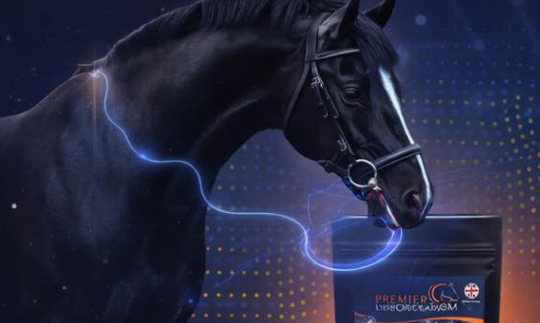
Premier Performance – Calm Connect (2026)
Premier Performance launched an app to connect horses with Bluetooth to calm them. This was an effective April fools’ campaign because it tackles a common issue many horse owners encounter which instantly makes the content relatable and, most importantly, sharable.
PR Misses: Campaigns That Failed
Lipton Peach Iced Tea Discontinuation (2025)
Lipton announced it was discontinuing its popular Peach Iced Tea flavour. Many fans were upset and thought it was real before the brand revealed it was a joke. Some even complained online. This shows how pranks about beloved products can backfire if the humour is not obvious.

Voltswagen (2021)
Volkswagen announced it was renaming itself “Voltswagen” to highlight its move into electric vehicles. The stunt was shared through official press channels and presented as a genuine corporate decision, leading major media outlets and investors to believe it was real before the company admitted it was a joke. This sparked criticism for being misleading.
Lessons from Hits and Misses
- Know your audience: Make sure your joke lands with the right people
- Stay on brand: Keep humour consistent with your values
- Avoid sensitive topics: Health, welfare, and safety are off-limits
Our Take
The strongest April Fools’ campaigns are those that feel intentional, well judged, and aligned with the brand. They entertain without misleading and add something to the conversation rather than distracting from it.
In the equine and country lifestyle sectors, the margin for error is smaller. Trust is everything, and once lost, it is difficult to rebuild. A campaign that confuses or misleads, even briefly, can have a lasting impact.
If you would like help with your campaigns, contact april@coatepr.com